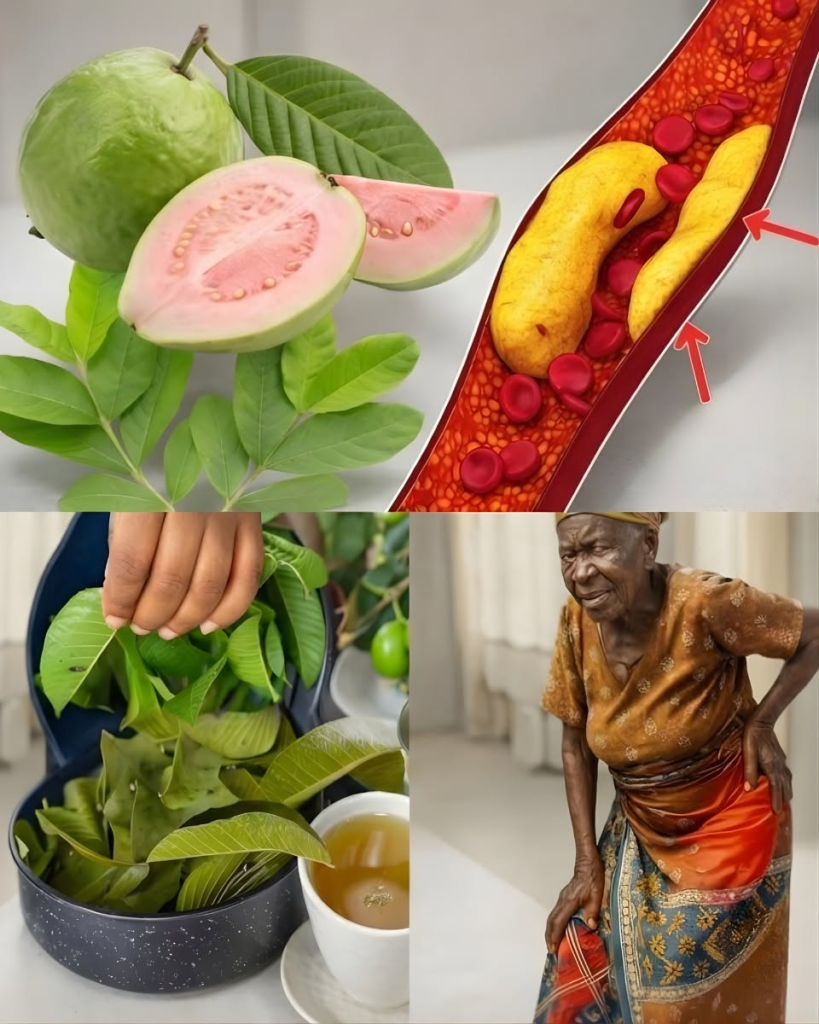
Guava leaves have been used in traditional practices for generations, long after the fruit itself has disappeared from the trees. In many cultures, fresh or dried leaves are prepared as a simple herbal infusion and enjoyed as part of everyday wellness routines.
Guava leaves contain naturally occurring plant compounds, including flavonoids, tannins, and other antioxidants. Modern research has explored several potential properties of guava leaves, although many traditional health claims still require stronger human evidence.
Why Do People Drink Guava Leaf Tea?
Guava leaf tea is a simple, caffeine-free beverage that can be prepared using fresh or dried leaves. Traditionally, people have used it for digestive comfort and general wellness.
Some early research has also investigated guava leaf extracts for their potential effects on blood sugar and cardiovascular health. However, drinking guava leaf tea should not be considered a treatment for diabetes, high blood pressure, or other medical conditions.
Potential Antioxidant Benefits
Guava leaves contain antioxidant compounds that may help protect cells from oxidative stress. Including antioxidant-rich plants in a varied diet is one way to support overall health.
The concentration of these compounds can vary depending on the variety of guava, the age of the leaves, and how the tea is prepared.
Traditional Digestive Support
Guava leaves have a long history of traditional use for digestive complaints. Some people drink the infusion after meals because it is light, warm, and easy to consume.
Research has investigated guava leaf preparations for certain gastrointestinal symptoms, but more high-quality studies are needed before making strong medical claims.
What About Blood Sugar?
Guava leaves are sometimes promoted online as a natural way to lower blood sugar. Some studies of guava leaf extracts suggest that certain compounds may influence carbohydrate digestion and glucose metabolism.
However, guava leaf tea is not a cure for diabetes and should not replace prescribed medication, glucose monitoring, or dietary advice from a healthcare professional.
People taking diabetes medication should be especially cautious because combining glucose-lowering products could potentially cause blood sugar to fall too low.
A Simple Guava Leaf Tea
Ingredients
- 4–6 young guava leaves
- 2 cups water
Directions
- Wash the leaves thoroughly under clean running water.
- Add the leaves to a saucepan with the water.
- Bring to a gentle boil.
- Reduce the heat and simmer for approximately 5–10 minutes.
- Turn off the heat and allow the tea to steep for another few minutes.
- Strain and allow it to cool to a comfortable temperature.
- Enjoy without added sugar, or add a small amount of honey if desired.
If you’re unfamiliar with guava leaf tea, start with a small serving rather than consuming large quantities.
Important Safety Considerations
“Natural” does not automatically mean risk-free. Avoid consuming leaves that may have been exposed to pesticides, roadside pollution, or other contaminants.
If you’re pregnant or breastfeeding, take prescription medication, have diabetes, kidney disease, or another medical condition, speak with a healthcare professional before regularly using guava leaf preparations.
Also remember that homemade herbal teas don’t have standardized doses, so their strength can vary considerably.
Final Thoughts
Guava leaves are more than just leftovers from the fruit-bearing season. Their traditional use as a herbal infusion reflects the long history of using everyday plants for simple wellness routines.
A cup of guava leaf tea can be an interesting addition to a balanced lifestyle, particularly as a caffeine-free beverage rich in plant compounds. But claims that it can “clean the blood,” cure disease, or dramatically regulate blood pressure or blood sugar go beyond what current evidence can support.
Enjoy traditional herbal drinks thoughtfully, and use proven medical care whenever you have a genuine health concern.