For many people over 45, the first few steps after getting out of bed can feel like the hardest part of the day. Stiff knees, tight hips, or an aching back often become accepted as a normal part of aging. But in many cases, everyday mobility is influenced by lifestyle, nutrition, regular movement, and how well the body manages inflammation.
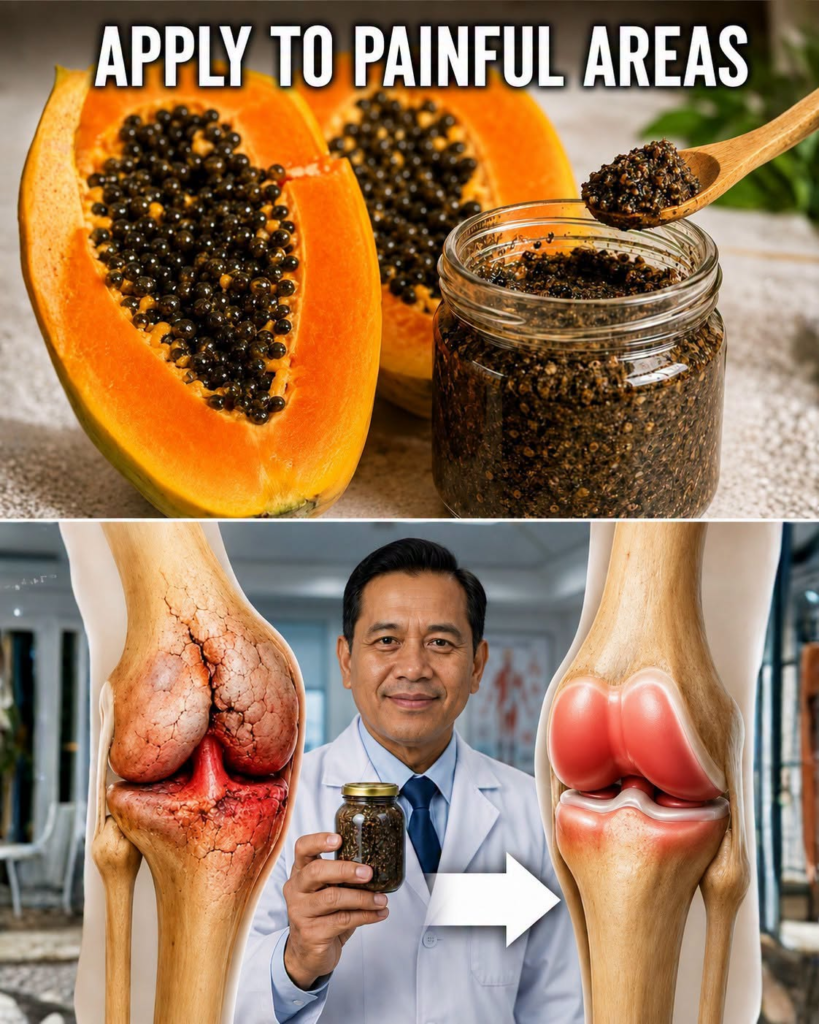
One surprising food that has gained attention in traditional wellness circles is the humble papaya seed. Often discarded without a second thought, these small black seeds contain naturally occurring enzymes and plant compounds that researchers continue to study for their potential role in supporting overall health—including healthy digestion and the body’s normal inflammatory response.
Let’s explore what makes papaya seeds interesting, how to prepare them properly, and how they may fit into a balanced wellness routine.
Why Papaya Seeds Are Getting Attention
While ripe papaya is well known for its sweet taste and vitamin C content, its seeds contain unique natural compounds, including:
- Papain
- Chymopapain
- Polyphenols
- Flavonoids
- Healthy plant antioxidants
Papain and chymopapain are proteolytic enzymes, meaning they help break down proteins during digestion. Scientists have also investigated these enzymes for their role in supporting the body’s normal healing and inflammatory processes.
Although research is promising, papaya seeds should be viewed as one part of a healthy lifestyle—not a cure or treatment for joint conditions.
Morning Stiffness: A Signal Worth Paying Attention To
Many adults notice stiffness before they notice pain.
Ask yourself:
- Do your knees feel tight when standing up?
- Do your hips loosen only after walking for several minutes?
- Does bending or reaching feel more difficult than it did a few years ago?
- Have you stopped enjoying certain activities because your joints feel uncomfortable?
If several of these sound familiar, your body may benefit from a combination of better nutrition, regular movement, strength training, hydration, quality sleep, and maintaining a healthy weight.
How to Prepare Papaya Seeds at Home
Making your own papaya seed powder is simple.
Step 1: Collect the Seeds
Scoop the seeds from a ripe papaya.
Place them into a fine strainer and rinse thoroughly under cool running water while gently rubbing away any remaining fruit.
Allow excess water to drain.
Step 2: Dry the Seeds
You have two easy options.
Air-Drying
Spread the cleaned seeds on a plate or tray.
Leave them in a dry, well-ventilated area for 2–3 days until completely dry.
Oven-Drying
Spread the seeds on a baking tray.
Dry them at the lowest oven temperature (around 150°F / 65°C) for approximately 2–4 hours.
When finished, they should feel firm, similar to black peppercorns.
Step 3: Grind into Powder
Use:
- A clean coffee grinder
- A spice grinder
- A mortar and pestle
The finished powder has a peppery, earthy flavor.
Store it in an airtight glass jar in a cool, dry cupboard.
The Healthy Fat Trick That May Improve Absorption
Many beneficial plant compounds, including certain antioxidants, are absorbed more efficiently when eaten alongside healthy fats.
Instead of mixing papaya seed powder with plain water, try adding a small amount to foods such as:
- Full-fat Greek yogurt
- Almond butter
- Avocado smoothies
- Cottage cheese
- Oatmeal topped with nuts and seeds
Healthy fats may help improve the absorption of fat-soluble nutrients while making the flavor milder.
Small Daily Habits That Support Comfortable Movement
Your morning routine can have a noticeable effect on how your joints feel throughout the day.
| Habit | Why It Matters | Easy Improvement |
|---|---|---|
| Drinking coffee first thing | May contribute to mild dehydration in some people | Drink a glass of water first |
| Sitting for long periods | Can make joints feel stiff | Stand up and stretch every 30–60 minutes |
| Eating large amounts of refined sugar | May support inflammatory processes when consumed in excess | Choose fruit, berries, or fresh papaya more often |
| Skipping exercise | Muscles provide important support for joints | Aim for regular walking and strength exercises |
Remember:
Movement helps keep joints mobile, while balanced nutrition provides the building blocks your body needs.
More Than Joint Support
Papaya seeds have traditionally been used in several cultures for digestive wellness.
Their naturally occurring enzymes may help support:
- Normal protein digestion
- Healthy digestive function
- Gut comfort after meals
A healthy digestive system plays an important role in overall wellness, including immune function and nutrient absorption.
Small Improvements Can Make Everyday Life Easier
Imagine feeling more comfortable:
- Walking downstairs confidently
- Gardening longer without excessive soreness
- Carrying groceries with greater ease
- Playing with grandchildren more comfortably
- Enjoying longer walks around your neighborhood
These aren’t dramatic overnight transformations.
They’re the kind of gradual improvements that often come from consistently practicing healthy daily habits.
A Gentle Way to Get Started
If you’d like to include papaya seeds in your diet, begin slowly.
A gradual approach may be easier for your digestive system.
Many people choose to start with a very small amount—around ⅛ teaspoon—and slowly increase over time if well tolerated.
Because papaya seeds have a naturally peppery taste, they pair well with:
- Scrambled eggs
- Avocado toast
- Vegetable omelets
- Grain bowls
- Homemade salad dressings
Safety Considerations
Papaya seeds are not appropriate for everyone.
You should speak with your healthcare provider before using them regularly if you:
- Are pregnant or planning pregnancy
- Take blood-thinning medications
- Have digestive disorders
- Have food allergies related to papaya or latex
- Have any chronic medical condition requiring ongoing treatment
Natural foods can still interact with medications or individual health conditions.
A Simple 30-Day Wellness Challenge
If you’re curious about adding papaya seeds to your routine, keep expectations realistic and focus on consistency.
Try these three simple steps:
- Buy one ripe papaya.
- Save and prepare the seeds.
- Keep a daily journal tracking your energy, mobility, and overall comfort while also maintaining healthy habits like regular walking, stretching, hydration, and balanced meals.
Looking back after a month can help you see patterns that might otherwise go unnoticed.
Final Thoughts
Papaya seeds may be small, but they contain an impressive combination of natural enzymes and antioxidant compounds that continue to attract scientific interest. While they are not a miracle remedy and cannot reverse arthritis or replace medical care, they may serve as a nutritious addition to an overall healthy lifestyle.
The biggest gains in joint comfort usually come from combining several habits: staying physically active, maintaining a healthy weight, eating a nutrient-rich diet, sleeping well, and managing chronic inflammation through everyday choices.
If you decide to try papaya seeds, think of them as one small piece of a much larger wellness puzzle—not a quick fix.
Disclaimer: This article is for educational purposes only and should not be considered medical advice. Papaya seeds are not intended to diagnose, treat, cure, or prevent any disease. Always consult a qualified healthcare professional before making significant dietary changes or using natural remedies, especially if you have existing medical conditions or take prescription medications.